// blog
See AI Segmentations in 2D and 3D in Your Browser, From the File or the PACS
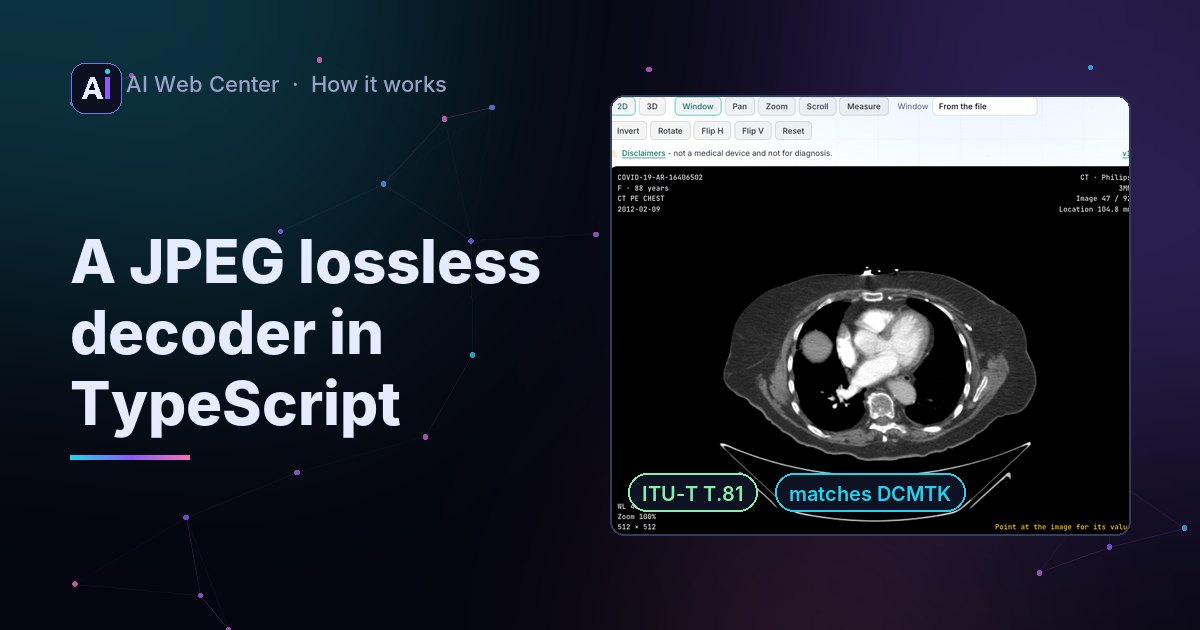
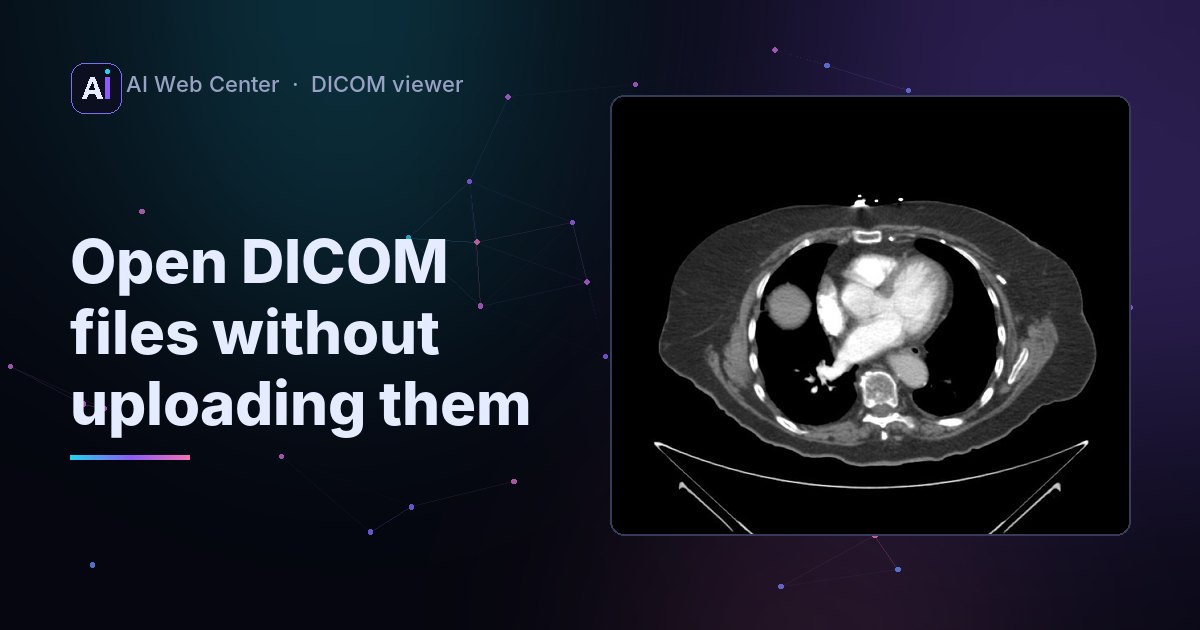
Our free DICOM viewer reads DICOM segmentations (SEG), the labeled outlines a person or an AI model such as TotalSegmentator draws on a CT or MRI. Open the SEG with its images, from your own files or from a PACS, and each segment is shown in its own color, with a switch for each and an opacity slider. In 3D the segments color the crossing planes and the volume, and Segments only hides the scan and leaves a model of the structures to turn and cut into. Everything is read in the browser; nothing is uploaded.
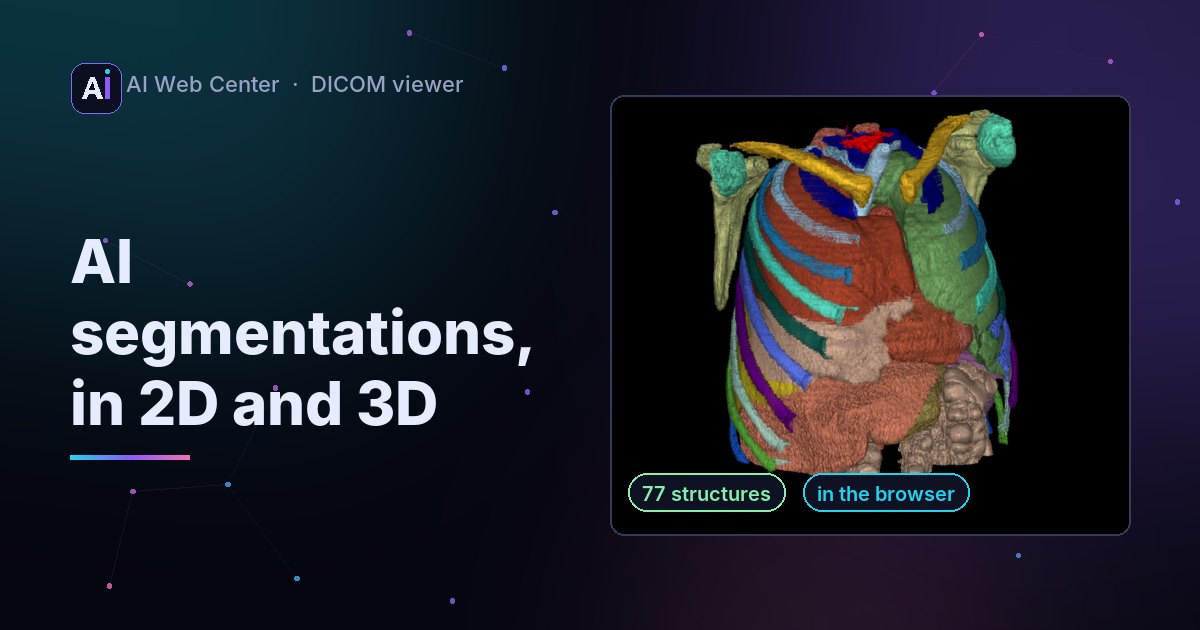
AI models that outline organs and bones on a CT are common now. TotalSegmentator, an open-source model, finds over a hundred structures in a scan. The results usually come back as a DICOM segmentation file, a SEG, and many viewers simply skip it.
Our free DICOM viewer now shows them, in 2D and in 3D, in the browser.
On the scan
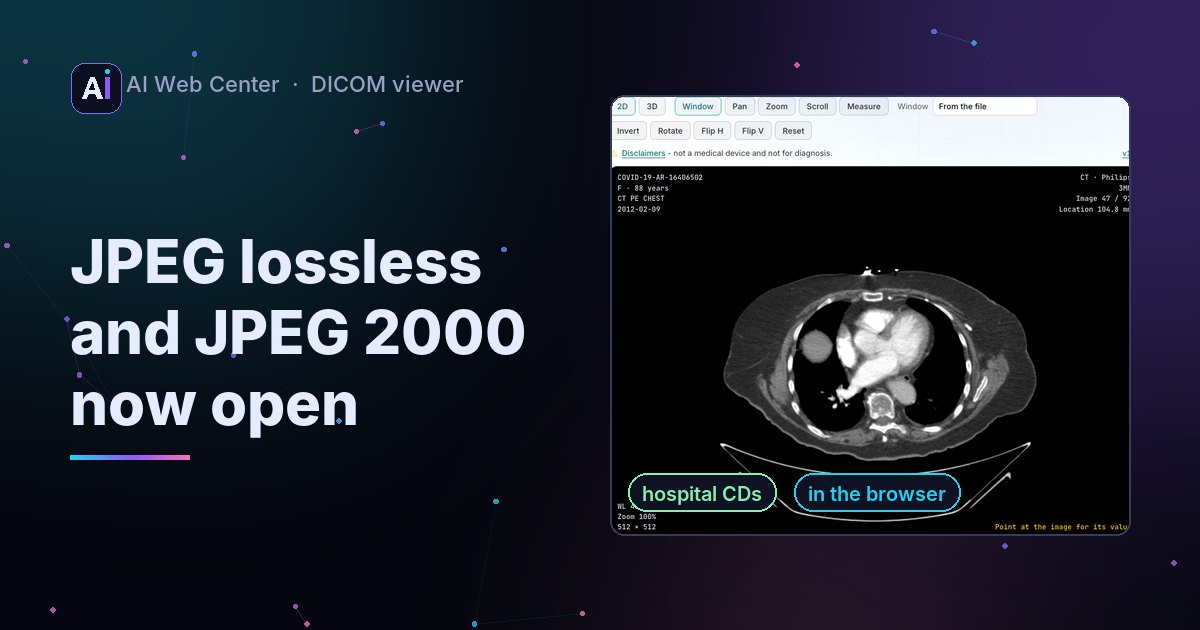
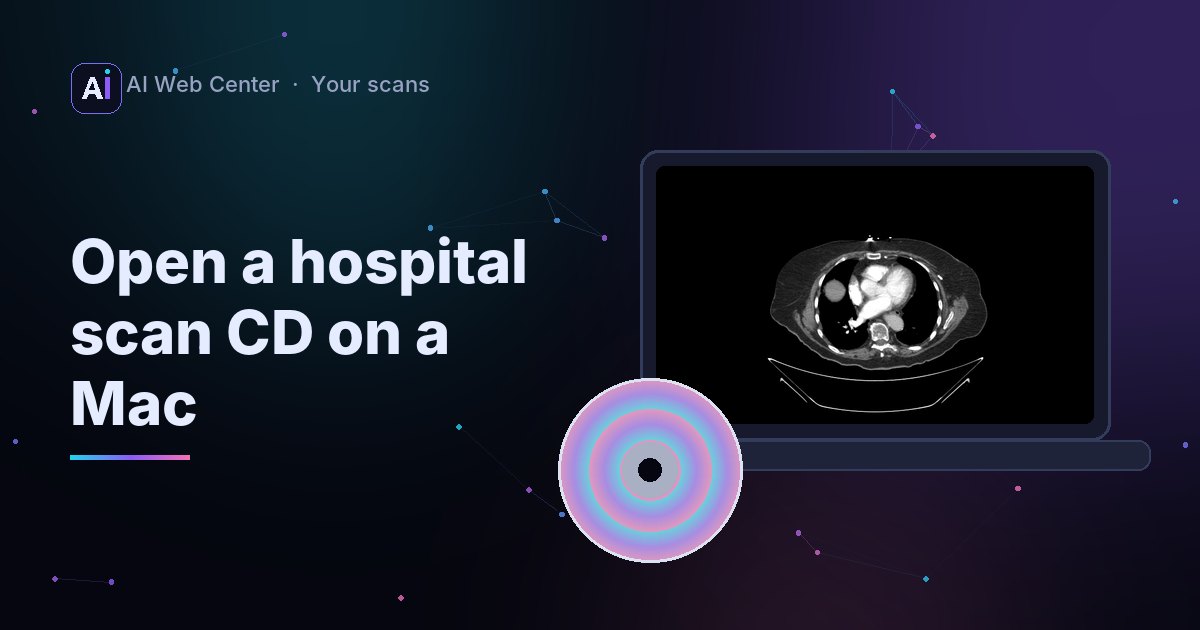
Open the segmentation with its images: drop both on the viewer, or open either one from a PACS. Each segment is laid on the scan in its own color.
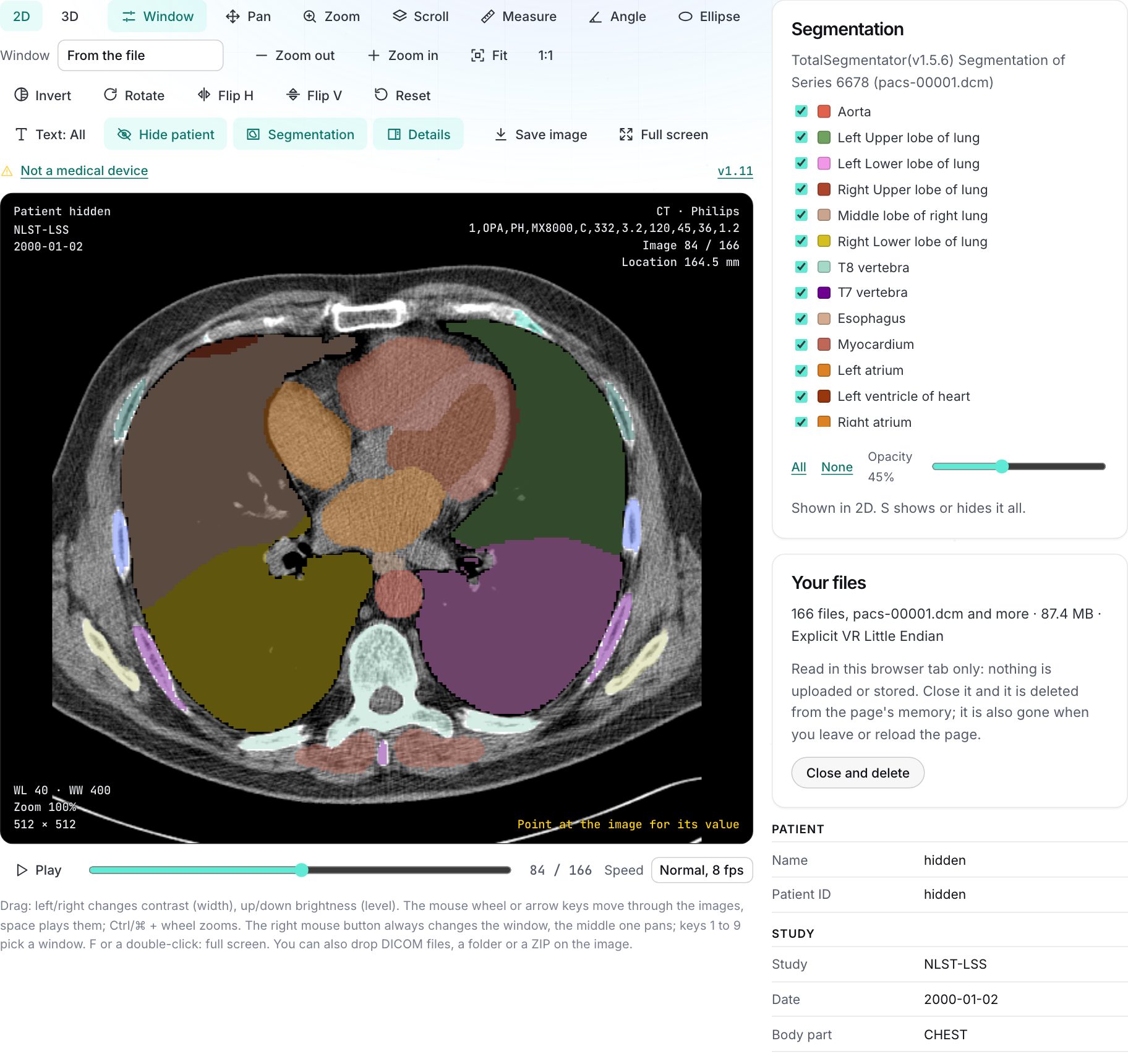
- The list beside the image has a checkbox and a color for each segment, with the segments on the image you’re looking at listed first.
- All, None and Opacity set the whole layer; S shows or hides it.
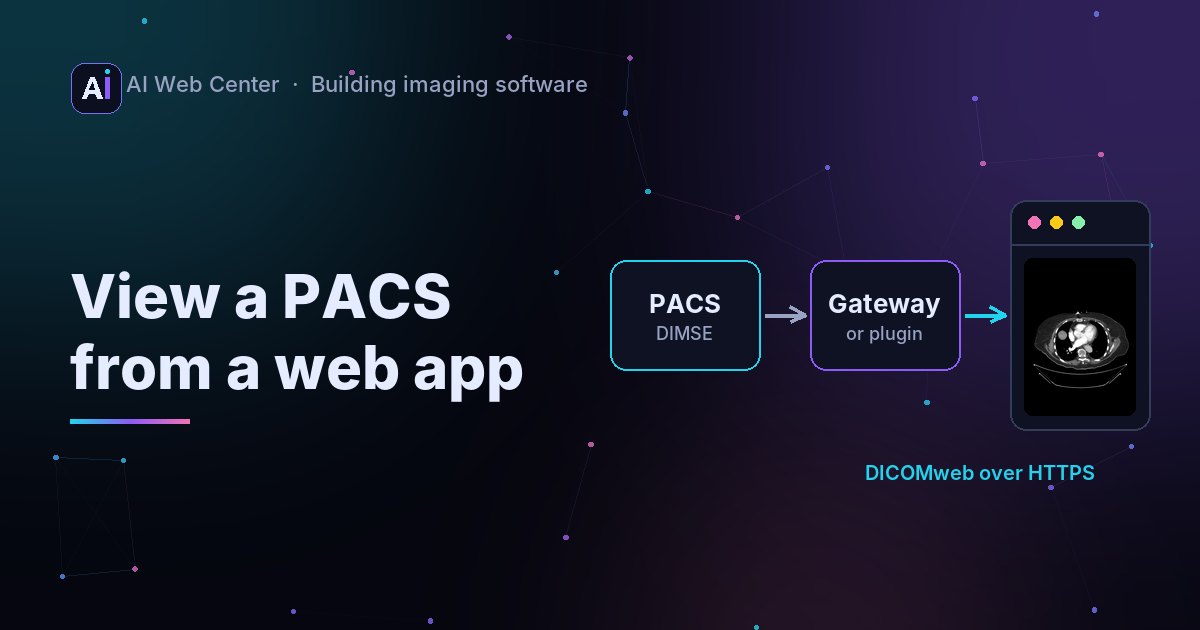
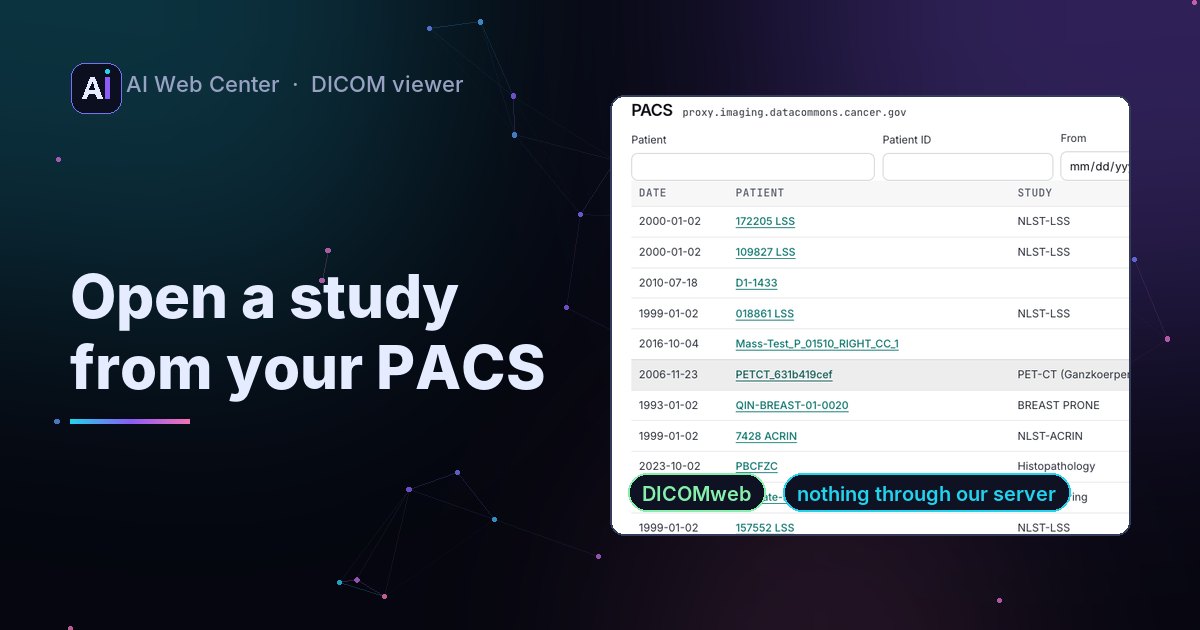
- From a PACS, opening the CT also fetches the segmentations drawn on it, and opening a segmentation brings its CT.
In 3D
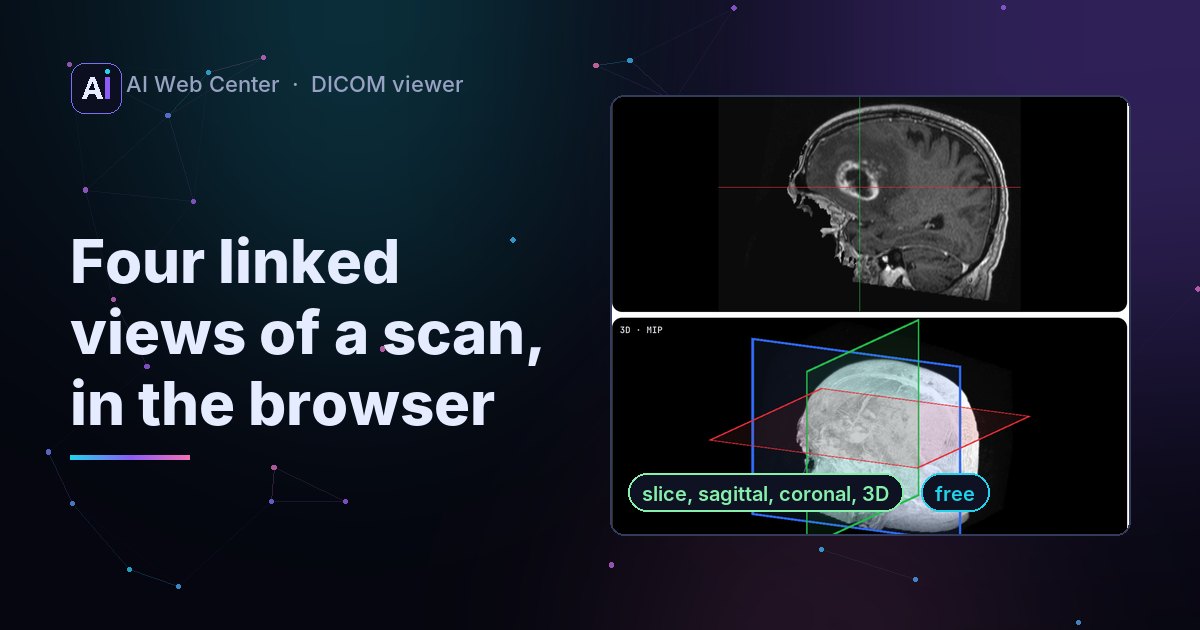
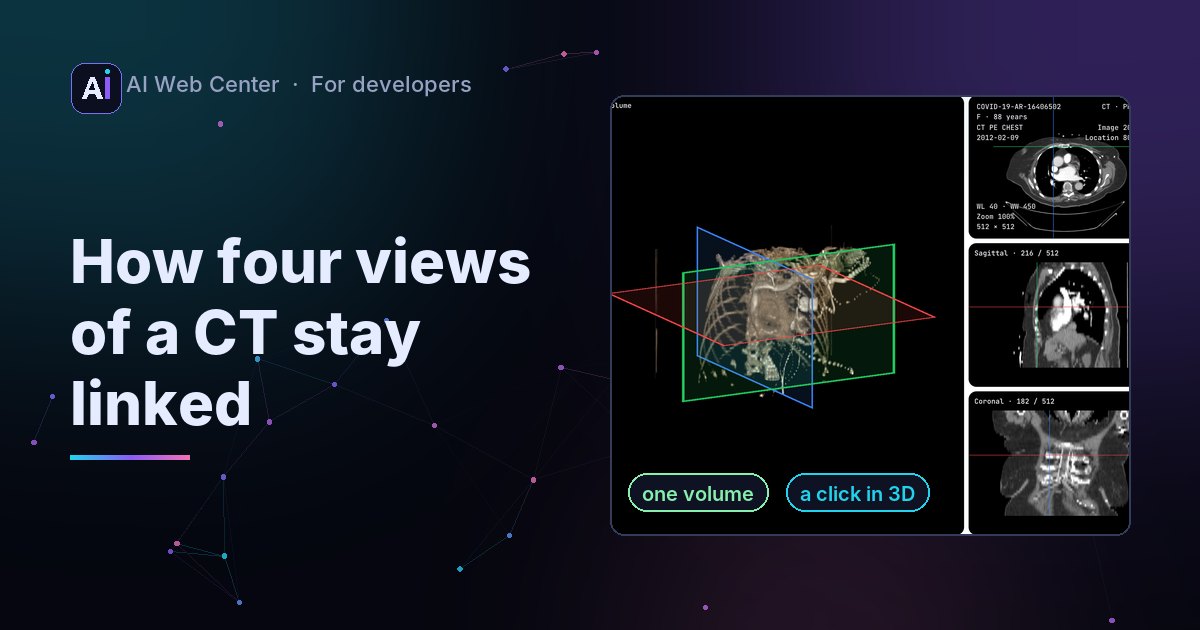
Press 3D, and the same colors follow:
- Planes: each segment is colored on all three crossing cuts.
- Volume: the segmented structures are tinted inside the scan.
- Segments only: the scan disappears and the structures stay, as a model you can turn and cut into with the mouse wheel.
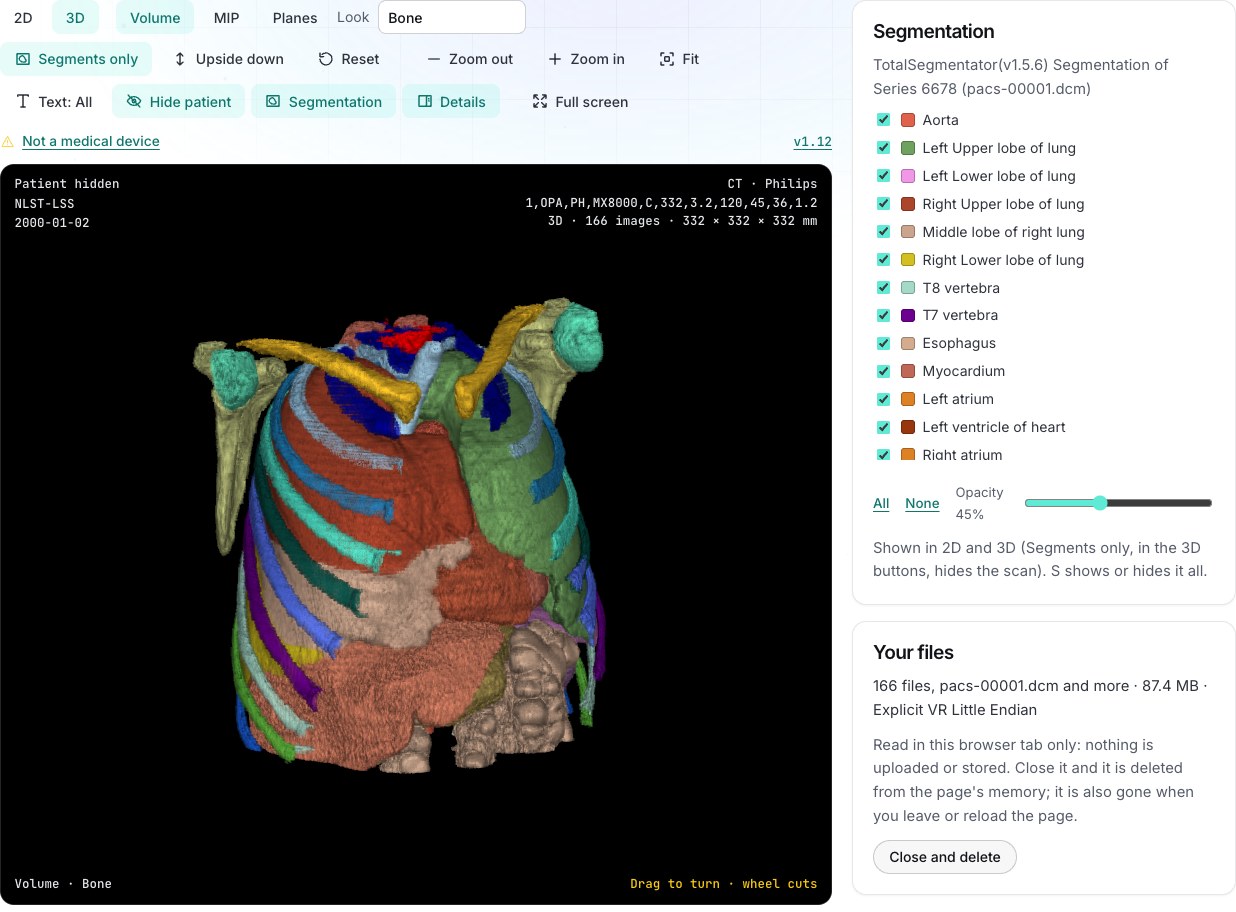
The checkboxes work here too. Untick the ribs and you see what’s behind them.
Try it on a public scan
- Open the DICOM viewer, choose Open, then Open from a PACS, and press Try a public PACS.
- Search Patient ID
110216. It’s a public research study (NLST collection) in the NCI Imaging Data Commons. - Open the study and click TotalSegmentator(v1.5.6) Segmentation of Series 6678: 77 structures in one 124 MB file. With its 166 CT images it opens in about half a minute.
- Press 3D, then Segments only.
Two things we learned
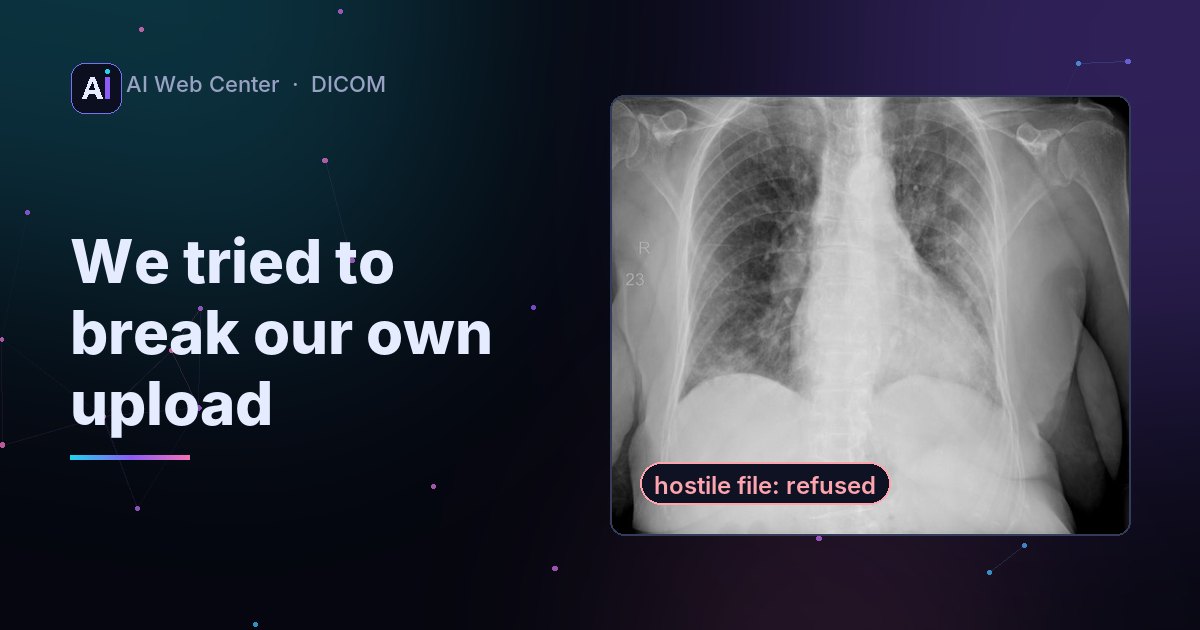
- Big files take another door. The public archive refuses a file that large at its usual address and serves it at its bulk address. The viewer asks there when the first answer is a refusal.
- That segmentation is stored upside down. Its rows run the other way from the CT’s, which DICOM allows. The viewer reads each segmentation’s orientation and turns it to fit. We checked it against the CT values: under the rib segment the CT reads bone once turned, and air without the turn.
Private, and only a viewer
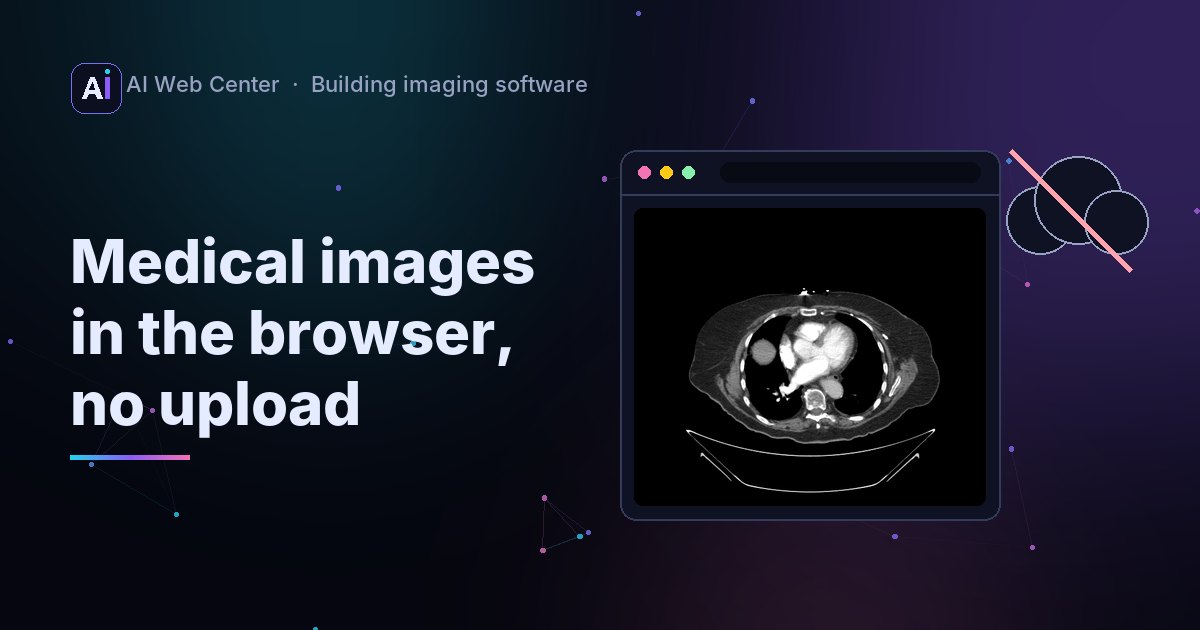
The files are read in your browser. Nothing is uploaded, and from a PACS your browser asks the archive directly. The viewer shows what a segmentation file contains; it doesn’t say whether the outlines are right. It’s a technology demonstration, not a medical device.
Building AI results into your own imaging portal or product? Tell me about it.
Frequently asked questions
What is a DICOM segmentation?
A DICOM file (modality SEG) that marks which pixels of a scan belong to which structure: the liver, a vertebra, a lung lobe. Each segment has a number, a name and a display color, and each mask points to the image it was drawn on.
Which segmentations does the viewer read?
Binary and fractional SEG files, uncompressed, that fit the images they were drawn on. They're matched to the images by the image's ID or by position, and a segmentation stored upside down is turned to fit.
Does it work with a PACS?
Yes. Opening an image series from a PACS also fetches the segmentations drawn on it, and opening a segmentation series brings its images.
Can I see the segments in 3D?
Yes. Planes colors each segment on all three crossing cuts, Volume tints the structures, and Segments only hides the scan and leaves the segmented structures as a model you can turn and cut into.
Is this for diagnosis?
No. The viewer is a technology demonstration, not a medical device. It shows what a segmentation file contains; it doesn't judge whether it's right.