// blog
Every Power Rail on 75 Boards, Explained by AI Before You Ask
Each of the 2,889 power rails on our 75 board pages has a short note written by AI ahead of time: what the rail is, its known-good readings, how to check it and what a reading far off points to. The AI sees only the board’s archive readings and notes, every value in a note is checked against them, and a note that cites anything else isn’t published.
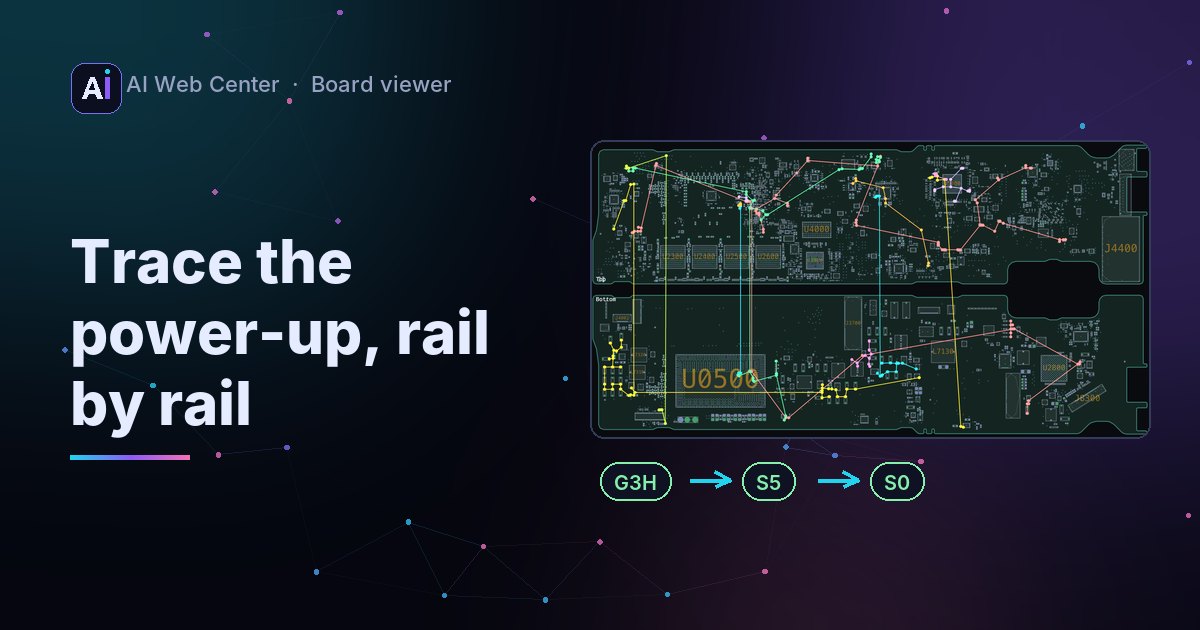
On a board that won’t start, most of the time goes into the power rails: which ones are there, which are missing, what each should read and what it feeds. So we did that part ahead of time.
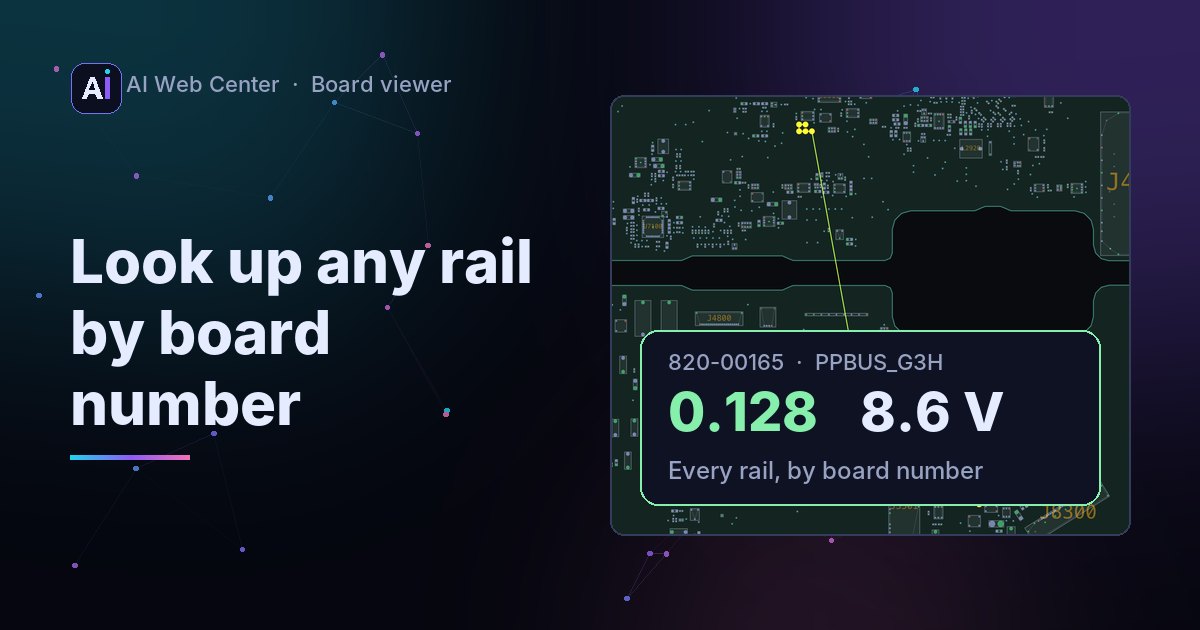
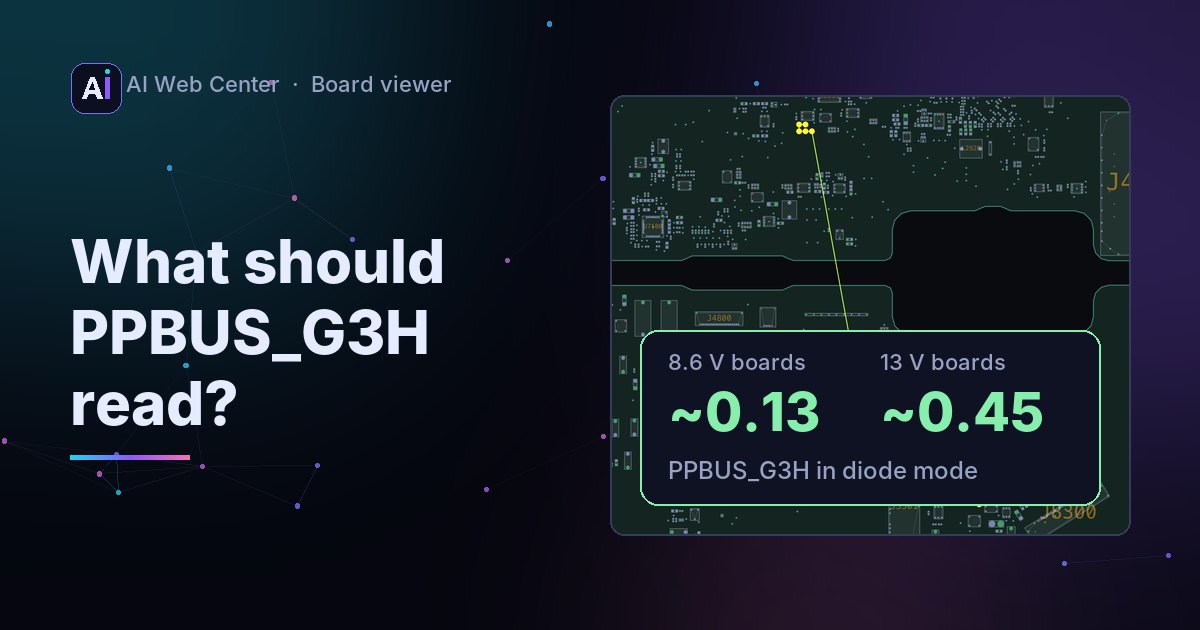
Every rail on our 75 board pages, 2,889 of them, now has a short note written by AI: what the rail is, its known-good readings, how to check it, and what a reading far from known-good usually points to. Open a board’s page and click AI: what it is and how to check it under any rail.
What a note looks like
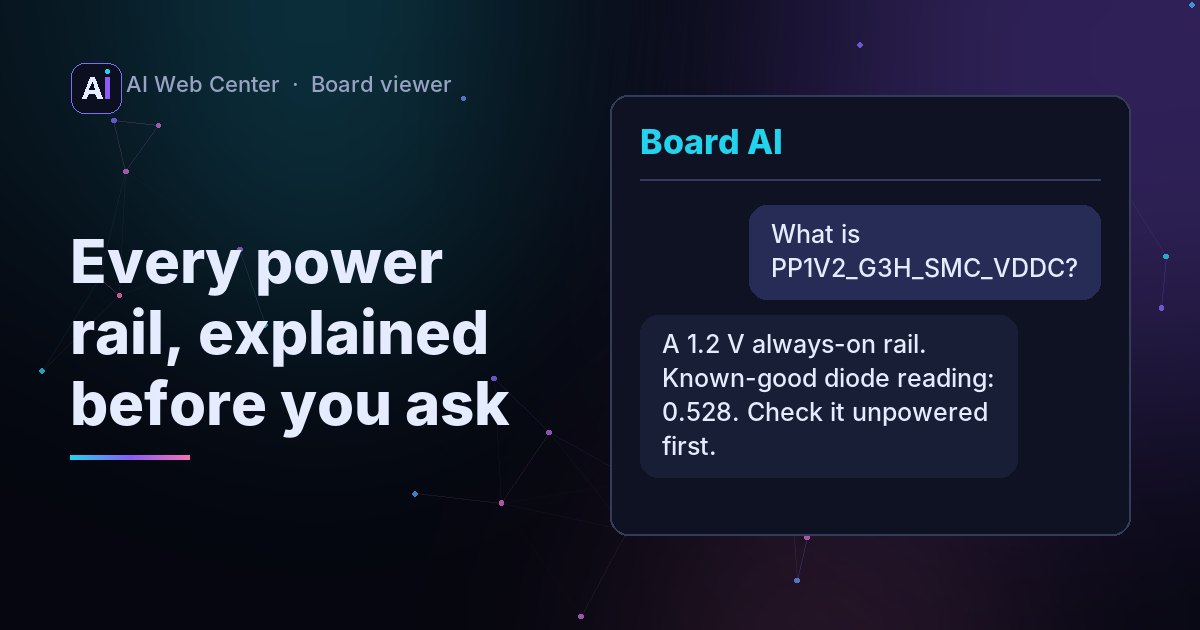
This is the note for PP1V2_G3H_SMC_VDDC on the 820-3299, word for word:
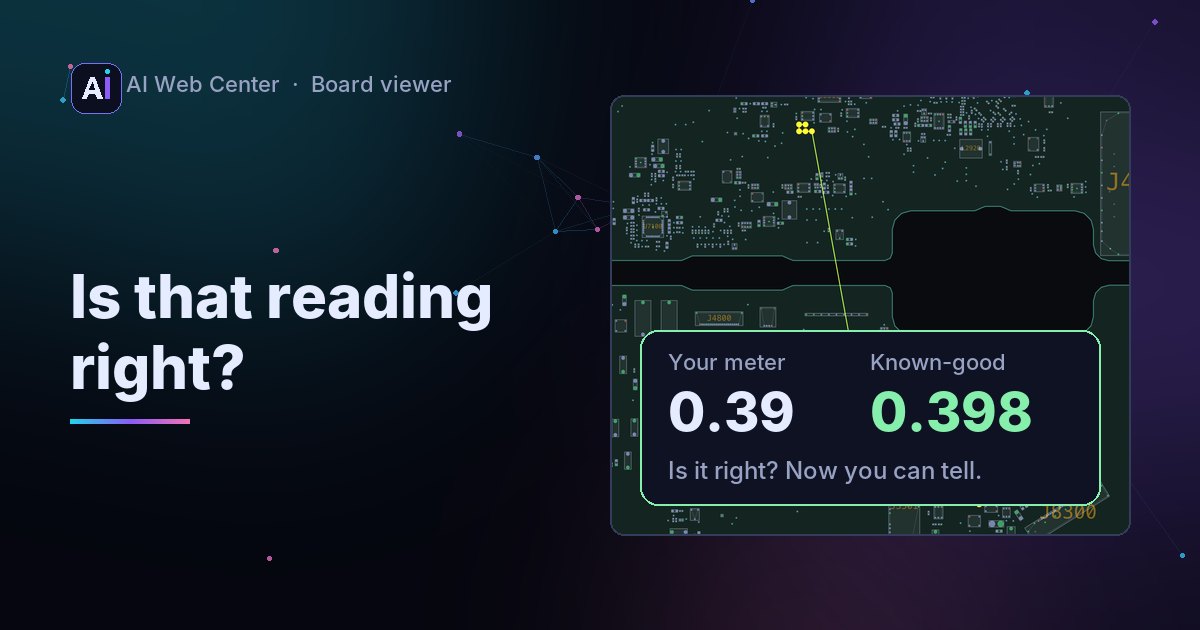
PP1V2_G3H_SMC_VDDC is a 1.2 V rail; the G3H part of the name indicates it is always on, and SMC_VDDC suggests it supplies the SMC. The archive lists a known-good diode reading of 0.528 to ground, with no condition noted; there is no known-good voltage reading here.
- With the board unpowered, measure diode mode from the rail to ground and compare with 0.528.
- With power applied, measure the voltage; expect about 1.2 V from the name, but that is general, not a recorded value.
A diode reading far below 0.528 usually points to a short or a failing part on the rail; a far higher or open reading suggests a broken connection. Confirm with a second measurement before replacing anything.
Short, specific to the board, and clear about what comes from the data and what’s general knowledge.
How it’s kept honest
AI is good at explaining and bad at knowing when it’s guessing. A made-up reading on a repair page would cost someone a board, so the notes are fenced in:
- It only sees this board’s data. Each rail’s note is written from its readings in OpenBoardData, its startup stage and the board’s repair notes. Nothing else.
- Every value is checked. A number in a note has to appear in that data, or follow from the rail’s name, as 1.2 V does from PP1V2. A note with any other value isn’t published.
- It says what’s general. What a name usually means is labeled as naming convention, not as this board’s fact.
- New data, new note. If the archive’s readings for a rail change, its note is written again from the new data.
It’s still AI, and the page says so: measure before you replace anything. The schematic has the final word.
Why ahead of time
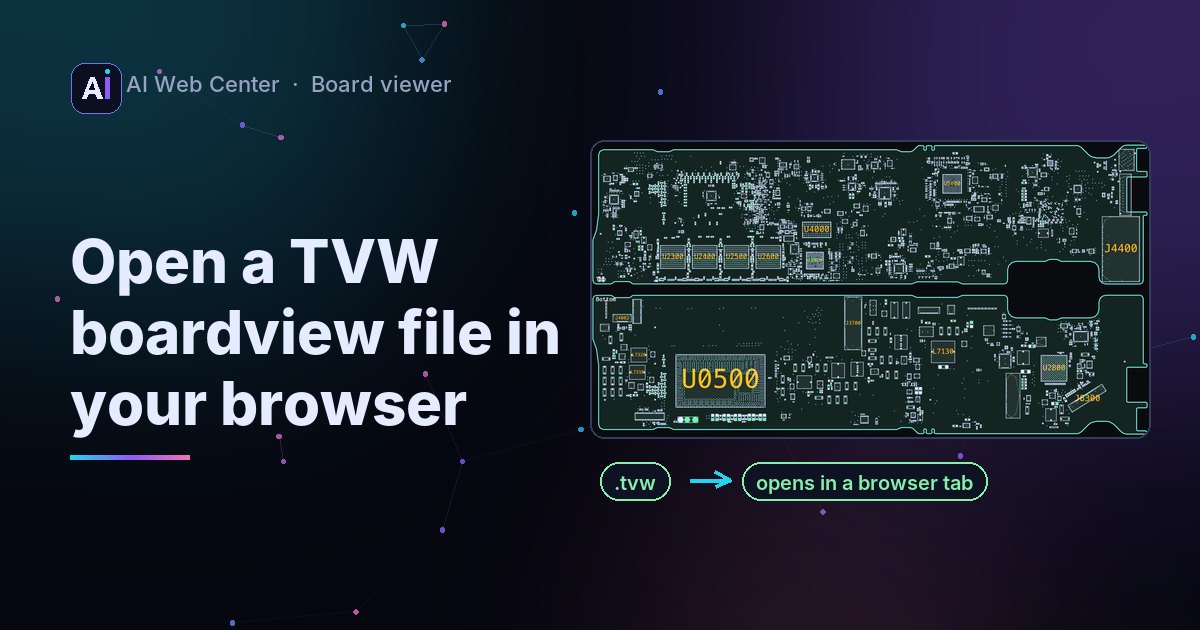
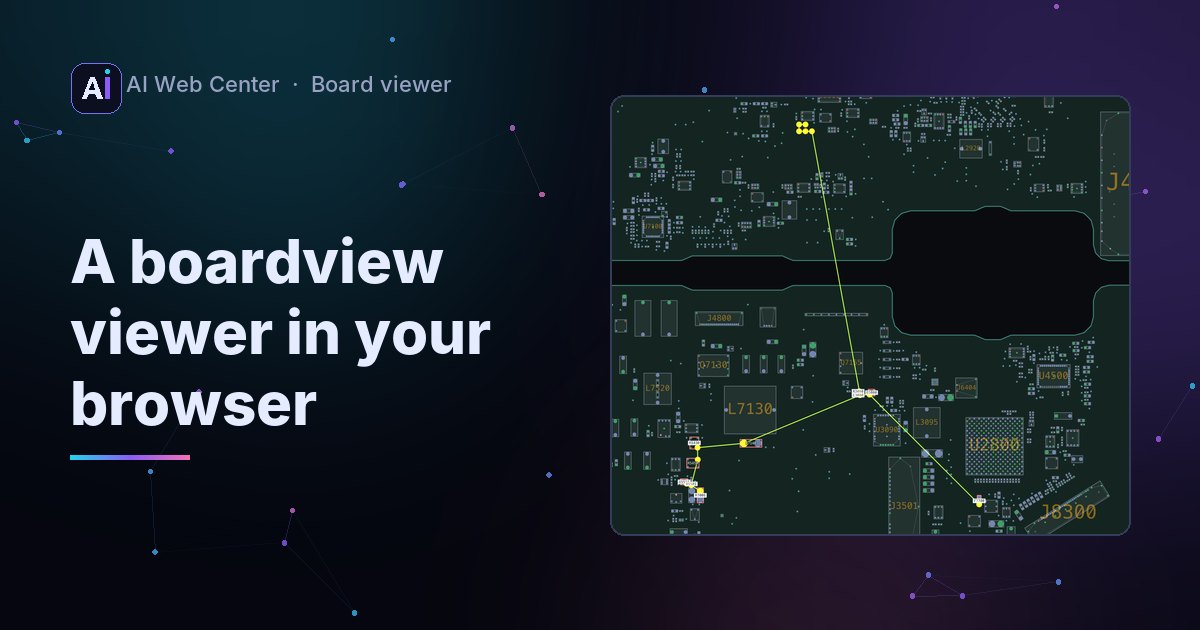
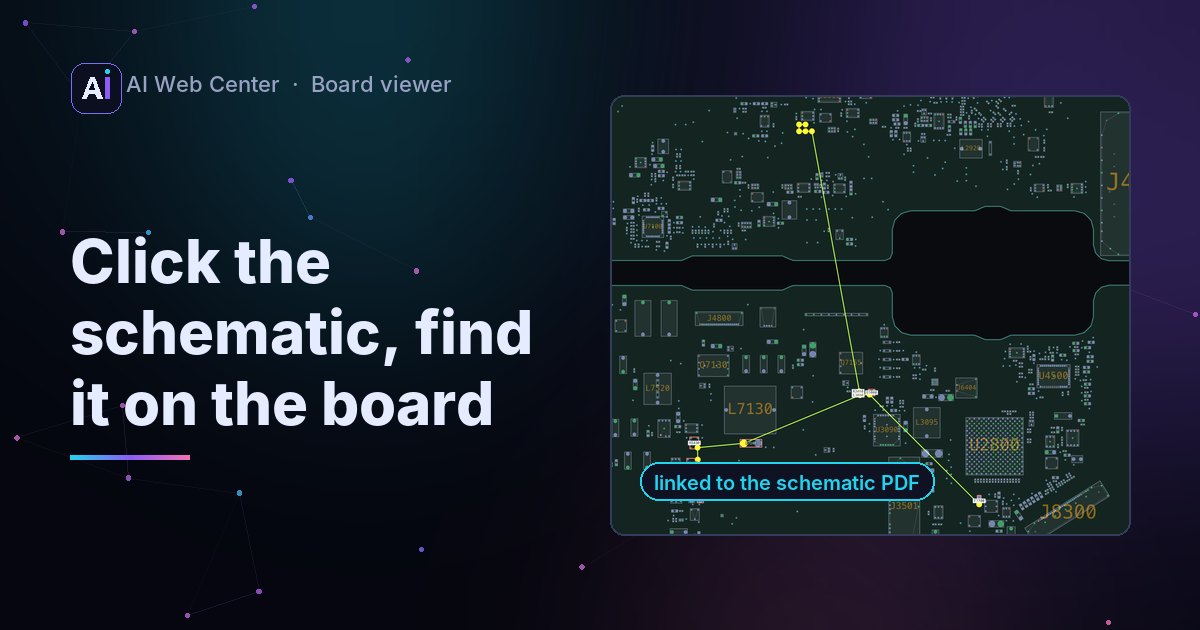
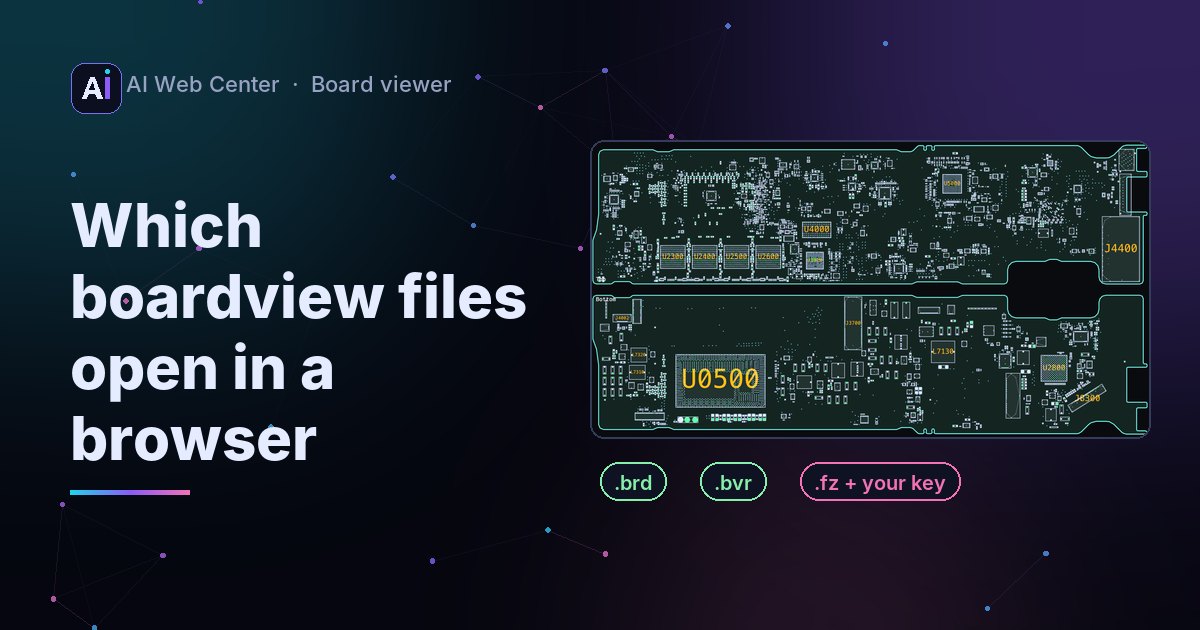
Our board viewer already has an AI you can ask about any part or net. But a question you have to think of is a question you might not ask. Writing a note for every rail means the answer is already on the page when you land there from a search for the rail’s name. It cost a few dollars in AI time for all of them.
Your board isn’t one of the 75?
Open its file in the free viewer. If the board number is in the file’s name, the viewer offers to add it. The file is never uploaded: if you say yes, only the number and its power rail names are sent. The board gets its own page, and its rails get notes the same way, written from their names until someone shares known-good readings for it.