Qt/QML to web
Your Qt/QML screens, as a web app
Your QML screens in a browser, your C++ hardware code kept: no Qt license per device.
 Today Your program, on one Windows PC.AI reads it Every QML screen and C++ class in your Qt app, and every line it writes is checked.Now The same screen, in any browser. The old totals, matched.
Free 30-minute call (949) 478-5982
Not ready to call? Check your program in 2 minutes · try a converted one
Email this page to my work addressSound familiar?
- A Qt license for every device you ship
- QML developers are hard to find
- A Yocto build for every screen change
- Reflashing devices in the field
- The screens only run on the device
Why a web app
- No Qt license per device
- Screens update from your server, no reflashing
- Any web developer can work on them
- Or no screen at all: use it from any phone
 You work directly with Jan Dekkers, who has thirty years of shipping production software, and led the software fix that kept Roche’s cancer-diagnostics supplies shipping through the global chip shortage, saving $6M a year.
- The screens your people know
- Your data, moved and checked
- Your rules, written down first
- Done faster than you’d expect, with AI
Qt 5 and 6 · QML · Qt Quick · embedded Linux · YoctoTo React, C# and PostgreSQL
“This will cost $100,000.”
Two years ago, it often did, and big modernization firms still start there. Most of that money paid people to read old code and retype every screen. AI now does that part, so a conversion here often costs half or less, and you get industrial-grade quality: every rule written down and tested, every total checked against the old program.
“Engineer effectiveness. On the same deliverable, against the same work without AI.”
What would moving your program take?
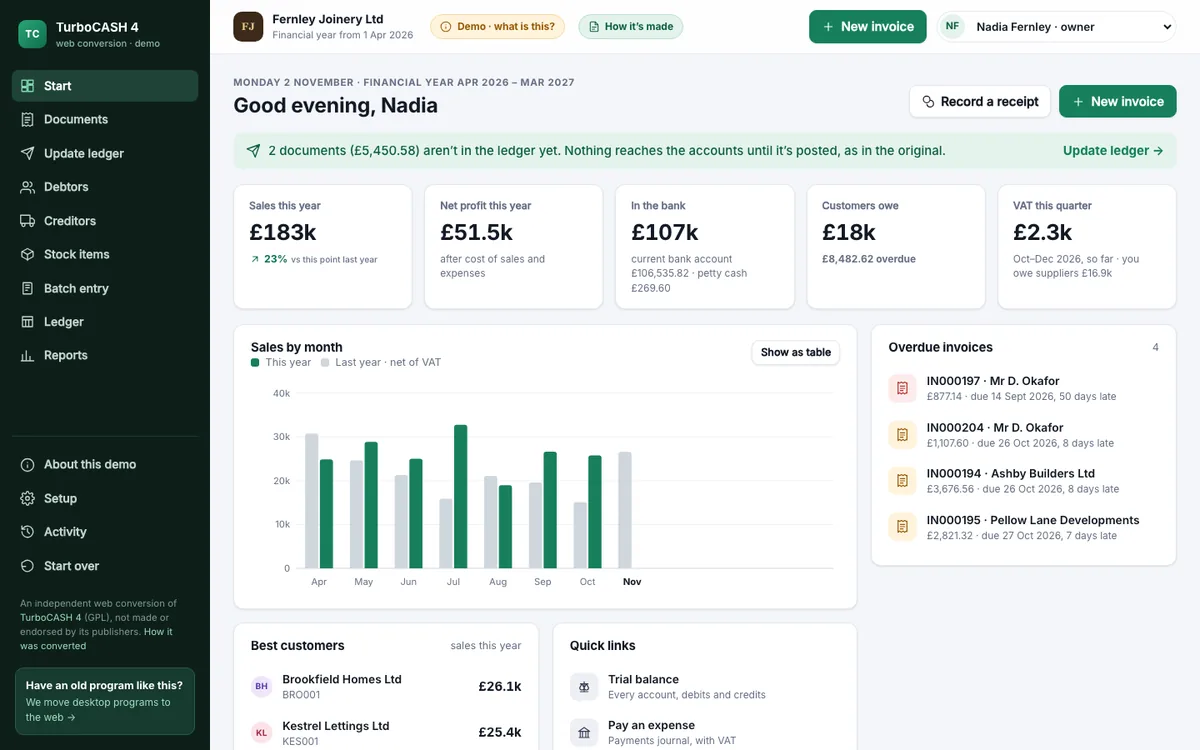
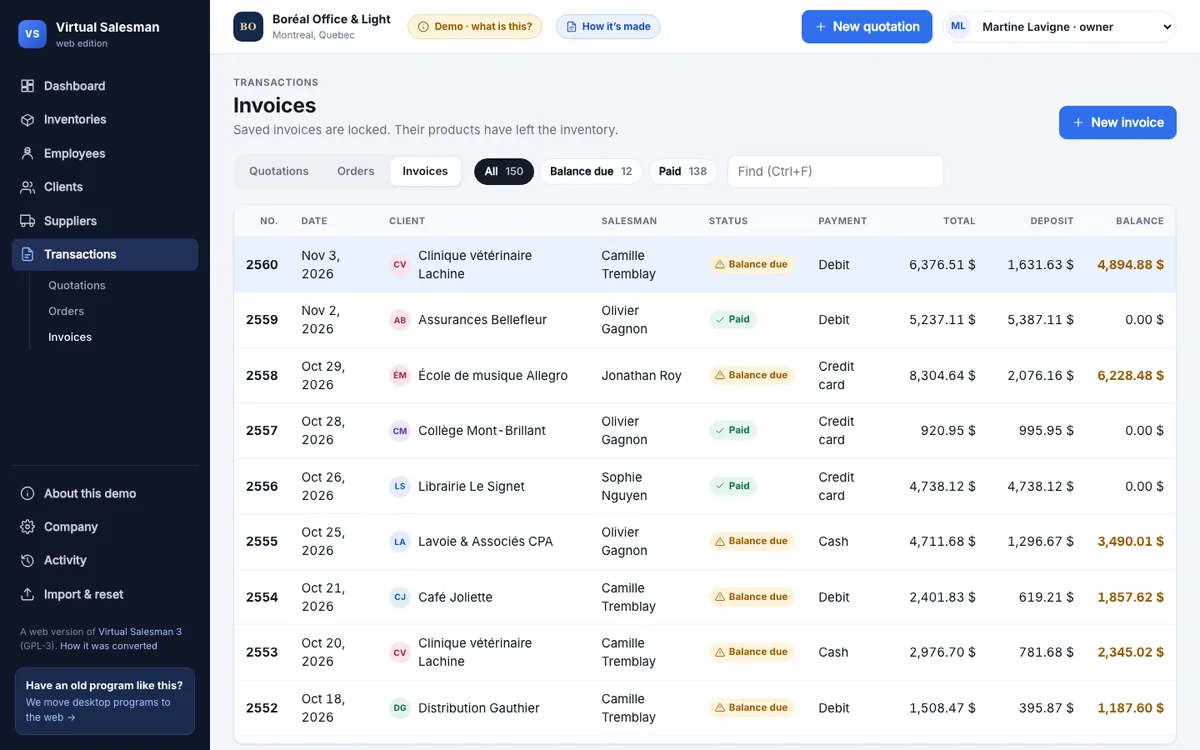
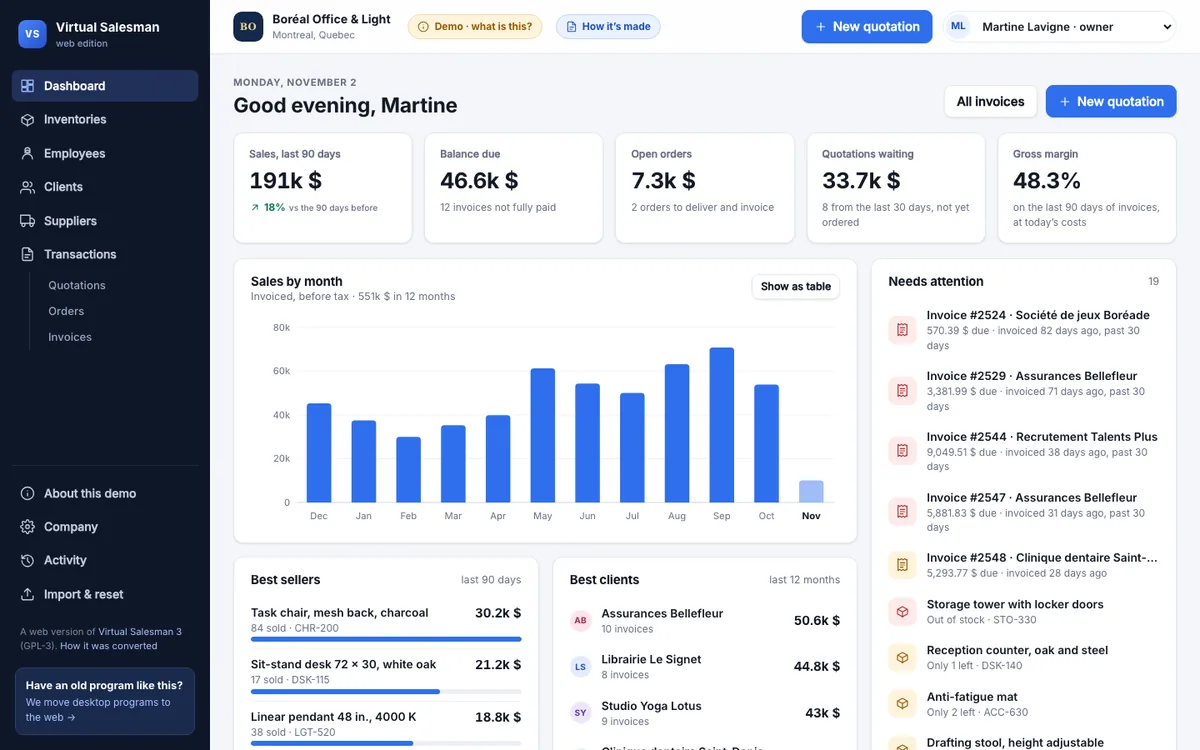
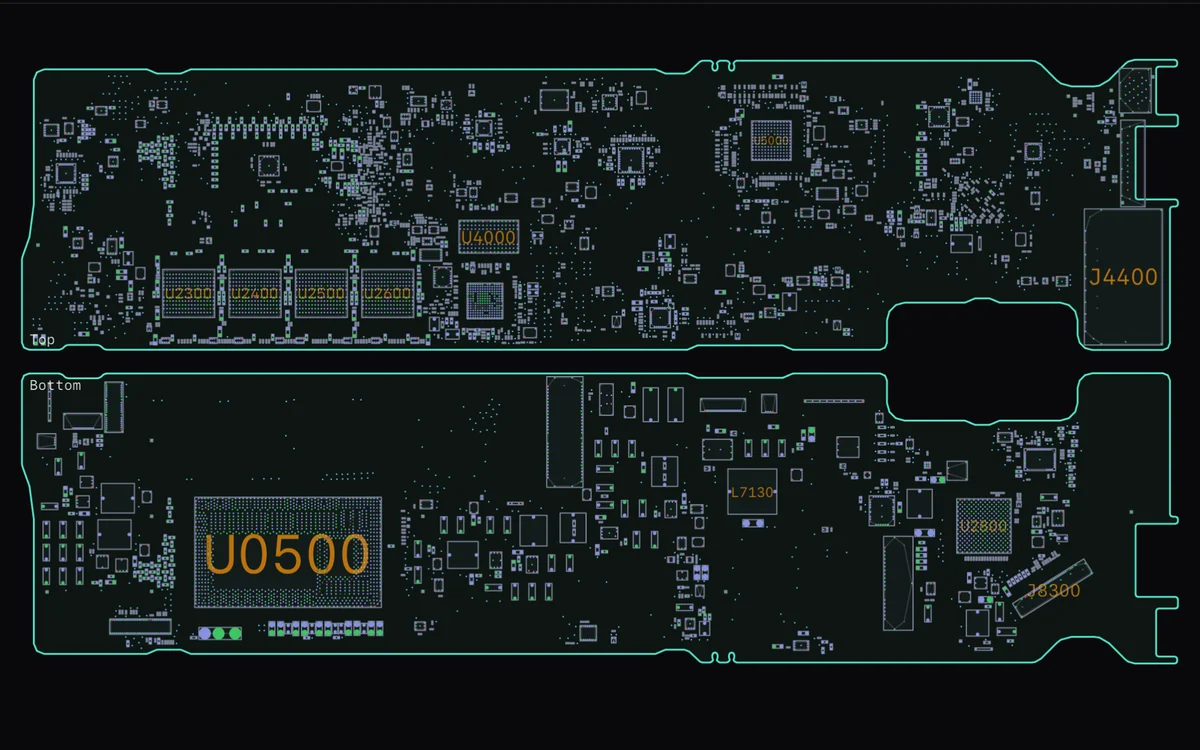
Three old programs, already in the browser
The programs below were desktop programs, not kiosks. A Qt/QML app goes the same way: rules written down, screens rebuilt, every result checked against the old app.
Running something like these?
The first 30-minute call is free.
The same work, the same screens, in any browser
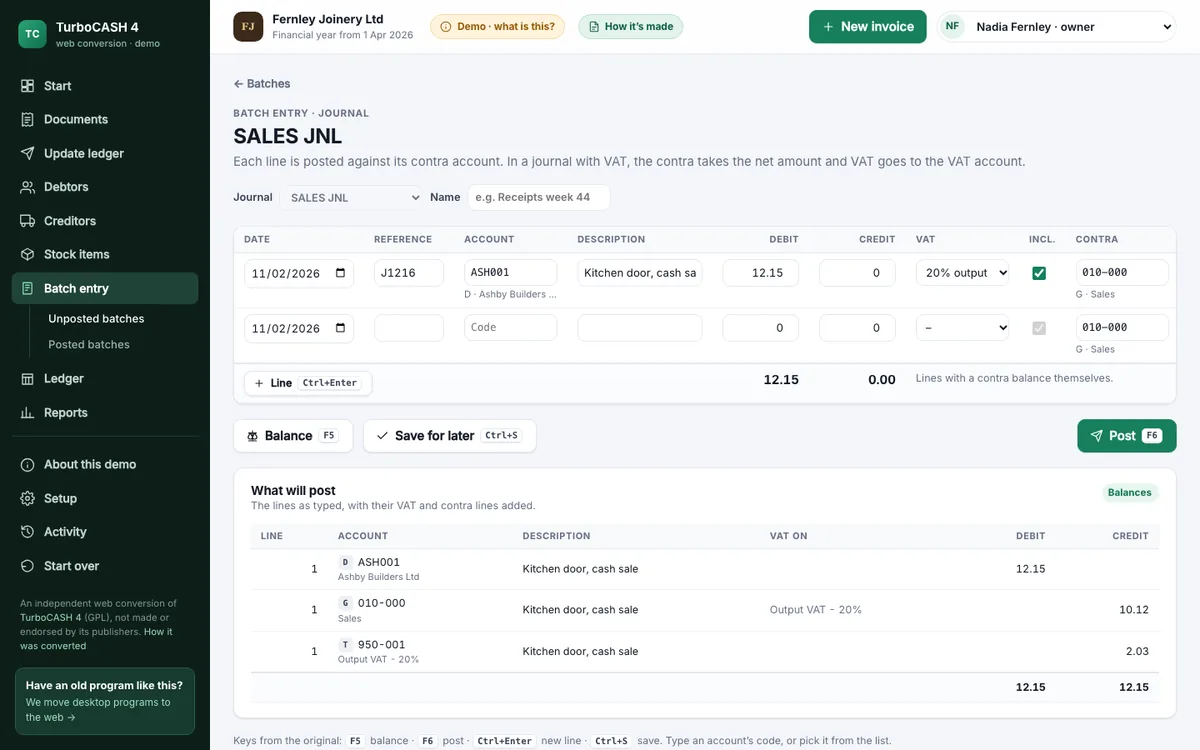
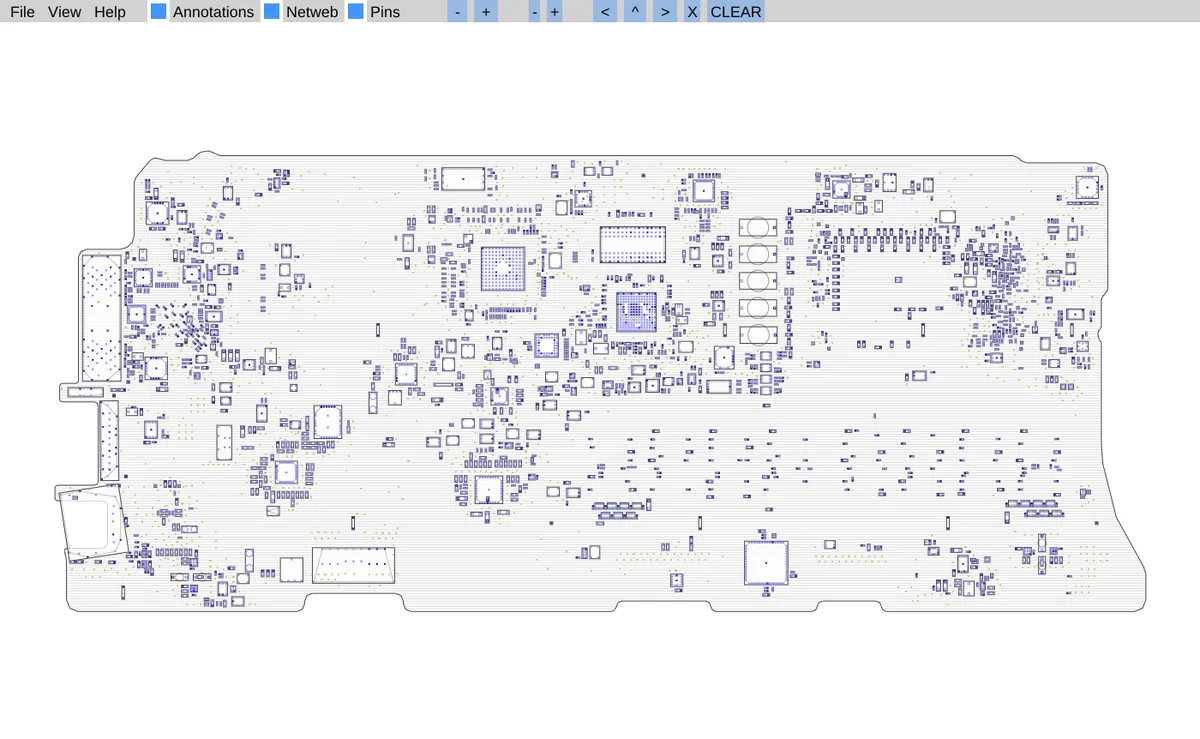
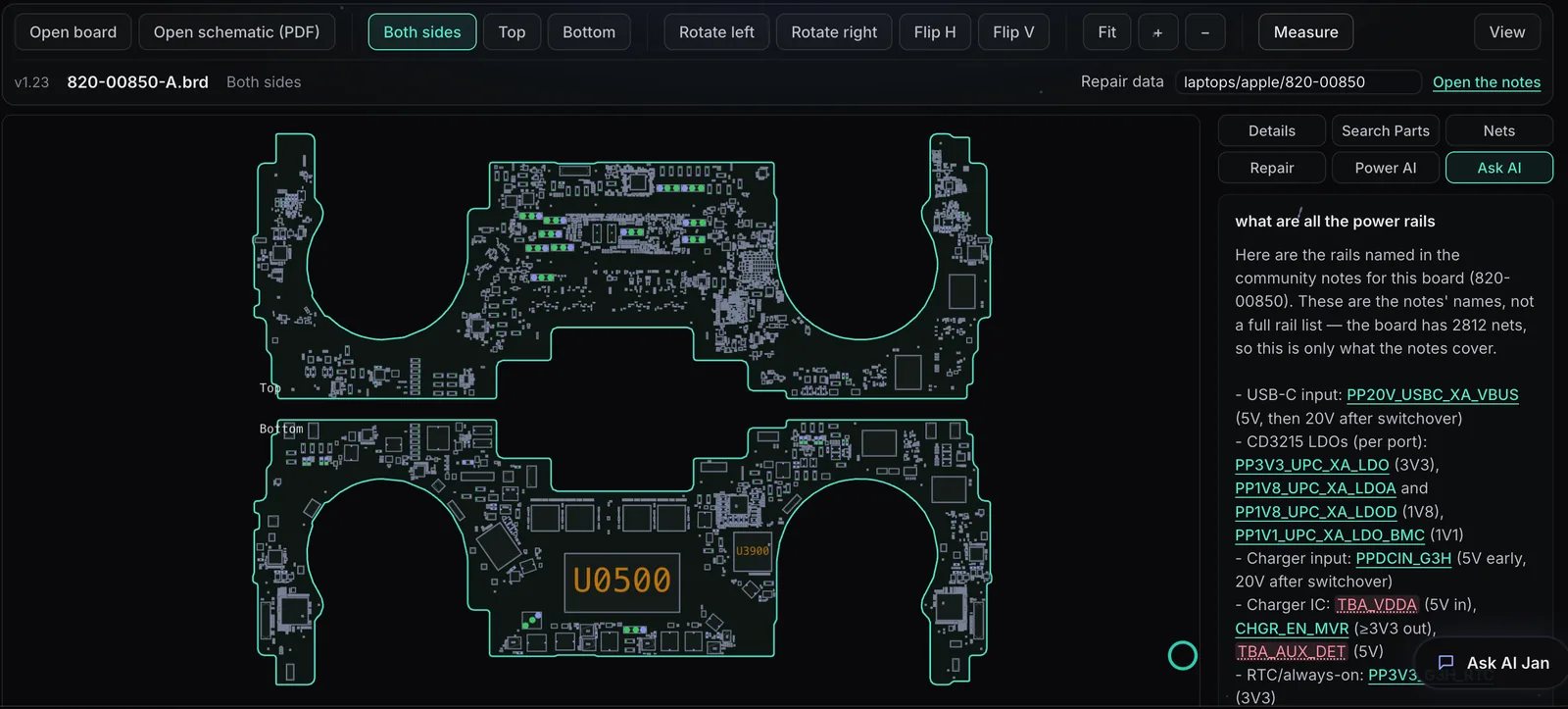
Everything your business relies on
| Today | In the web version |
|---|---|
| QML screens and Qt Quick controls | Web screens with the same layout, touch targets and flow |
| C++ classes behind the QML | Kept on the device as a small local service the screens talk to |
| Logic in QML JavaScript and C++ | Written down, checked by you, built in once |
| A Yocto image with Qt inside | A standard kiosk setup with a locked-down browser, or your Yocto with a browser added |
| Updates by reflashing | Screens update from your server, devices just reload |
| Testing on the device | The same screens on any laptop, tablet or phone |
Five steps, and you see each one
- A free 30-minute callWhat it does and who uses it.
- A look at the programIts rules and data, listed.
- A written proposalScope, timeline, price range.
- Built in small stepsYou try each part.
- Side by side, then the switchData moved one last time.
Fixed price, in four payments, under our published services agreement. The code is yours once it’s paid for.
The numbers behind them
TurboCASH 4
Delphi and Firebird, Windows, 2018React, C# and PostgreSQL
74accounts read from its own Firebird books
1 in 6VAT-inclusive amounts at 20% a penny over, by its own arithmetic
24tests, a year of demo books included
6findings in the code and books, each fixed or decided
Original by its authors (open source, GPL-2.0 or later); converted independently, not by its publishers. Read the case study
Virtual Salesman 3
Delphi 7, Windows, 2006React, C# and PostgreSQL
11,272lines of Delphi in 35 units and 23 forms
4 of 4sample documents match the old totals to the bit
1scrambled file format recovered from the program itself
1bug fixed that let a new document overwrite a saved one
Original by Marc-André Lamothe (open source, GPL-3). Read the case study
Board Viewer
C++, installed on each computerTypeScript, in the browser
14file readers, 12 ported from the C++
1,145pins matched across two versions of one real board
2,700damaged files refused cleanly, with no crash
38 msto read a real laptop board of 9,388 pins
Original by the OpenBoardView project (open source, MIT); rebuilt independently, not by its authors. Read the case study
Twelve years on one application
I worked with Jan side by side for 12 years while we wrote requirements and had him develop the proprietary application for NRS. We are still improving the application.
You will not find a more diligent developer who sees ways of solving problems that others don't see. At every turn he was able to come up with solutions for a VERY complicated and intricate piece of software that has no match in the retirement plan industry.
Besides being a stellar developer, Jan also understands many aspects of networks from a software and hardware perspective. He's a problem solver and very cool and collected when addressing critical issues. That's exactly what you want when someone is writing code under pressure. Jan is the first person I would go to any time I need to develop any application.
Where conversions get hard, found before the price
Hardware
Serial, USB, GPIO, cameras, readers
Board
Processor and memory for a browser
Offline
What must work without a network
Start-up
Boot time, kiosk lockdown, watchdog
Frequently asked questions
Our screens talk straight to the hardware. Does that still work?
Yes. In a Qt app the hardware work already sits in C++, and QML only shows it. We keep that C++ on the device as a small local service, and the web screens talk to it over a local connection instead of Qt's QML bridge. Readers, printers, serial ports and GPIO keep working as they do now.
Can we drop the screen altogether?
Often, yes. The device serves its own screens over Wi-Fi or the network, and people use them from a phone, tablet or laptop, with sign-in and an encrypted connection. That saves the display as well as the Qt license. Even a small microcontroller board such as an ESP32 can hold the web screens in its own memory and serve them.
Why is Qt so expensive on a device?
With commercial Qt, The Qt Company asks for a developer license for each person building devices and, in addition, a distribution license for each device you ship. Using Qt under the LGPL instead means letting users replace the Qt libraries on the device, which rules out a locked-down device. Web screens need neither.
Will a browser run on our board?
On a Raspberry Pi–class board or better, comfortably: Chromium or the lighter WPE WebKit in kiosk mode. If your board is very small, the first look says so and shows the options, such as a lighter browser engine or a board upgrade that often costs less than the licenses.
Do we still need Yocto?
Not necessarily. A standard kiosk setup with a locked-down browser covers most devices. If you rely on your own Yocto layers, we keep them and add a browser to the image; after that, screen changes no longer need a new image.
Have you worked with Qt and Yocto yourselves?
Yes. Jan, who runs AI Web Center, has built Qt/QML kiosk software on embedded Linux with Yocto, license bills included.
What does it cost?
The first 30-minute call is free. After a first look at the program you get a written proposal with the scope, the approach, a timeline and a price range.
How long does it take?
It depends on the program, but with AI a conversion that once took years can often take months. Most of the time goes to finding the rules and deciding about them, not to building screens.
Ours is written in something else. Can you move it?
Yes. These pages cover the languages people ask about most, but we move any old program or Windows service: Clipper, COBOL, RPG on IBM i, ColdFusion, old PHP, Perl, Java, Windows services and more. The steps are the same: rules written down, data moved and checked, the same screens in a browser.
Sources
- Commercial Qt licensing (The Qt Company). Device Creation developer license needed for each Qt user building devices; 'In addition to the developer licenses for each user, you need a Distribution license for each device', bought at the latest 60 days before devices ship
- Obligations of the LGPL (The Qt Company). Users must be able to change and re-link the Qt library and run the result, with installation information provided; 'In practice, this forbids the creation of closed devices'
Tell us what you’re running
A few lines is enough. I read every message myself and usually reply within one business day.
Email this page to my work addressRather talk? Book a free 30-minute callPick a time in your own time zone. Video or phone.